
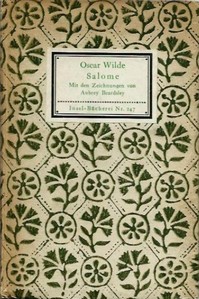
Salome: Tragödie in Einem Akt by Oscar Wilde
Oscar Wilde's 'Salome' is a fever dream of a play. Written in French and later translated into English, it takes a brief biblical tale and expands it into a lush, symbolic nightmare.
The Story
King Herod is throwing a lavish feast. His stepdaughter, the Princess Salome, leaves the party and becomes fascinated by Jokanaan (John the Baptist), a prophet shouting doom from a cistern prison. She’s drawn to his voice and his fierce purity, and she demands to see him. When he emerges and rejects her, calling her sinful, a dangerous obsession takes root. To please her, Herod promises her anything—even half his kingdom. Salome makes her demand: she wants Jokanaan's head on a silver platter. Herod is horrified, but bound by his public oath, he gives the order. The play ends with Salome’s chilling, triumphant monologue to the severed head.
Why You Should Read It
This isn't a dry history lesson. It's a psychological explosion. Wilde’s language is hypnotic and repetitive, like a spell. You feel the oppressive heat of the palace, the claustrophobia of desire, and the sheer horror of Herod's court. Salome is a terrifying and fascinating character—not a villain, but a force of nature consumed by a single, destructive want. The play asks uncomfortable questions about power, obsession, and the cost of getting exactly what you ask for.
Final Verdict
Perfect for readers who love dark, poetic, and symbolic literature. If you enjoyed the gothic tension of Poe or the psychological depth of Shakespeare's tragedies, you'll find a lot to love here. It’s also a fantastic, quick introduction to Wilde’s more serious side, away from the witty comedies he's famous for. Just be ready for an ending you won't forget.
There are no legal restrictions on this material. Distribute this work to help spread literacy.
Michael Thomas
10 months agoFive stars!







Donna Anderson
1 year agoUsed this for my thesis, incredibly useful.